Guard and Improve Your Deck: Professional Deck Staining Options You Can Rely On
When it comes to preserving a deck, professional staining services provide a reliable solution. These experts comprehend the nuances of various wood types and regional weather conditions, guaranteeing optimal protection and aesthetics. By opting for experienced experts, homeowners can prevent typical mistakes and save precious time. However, choosing the appropriate service can be intimidating. Understanding what to seek out is crucial to achieving enduring results. The path to a gorgeously finished deck begins here.
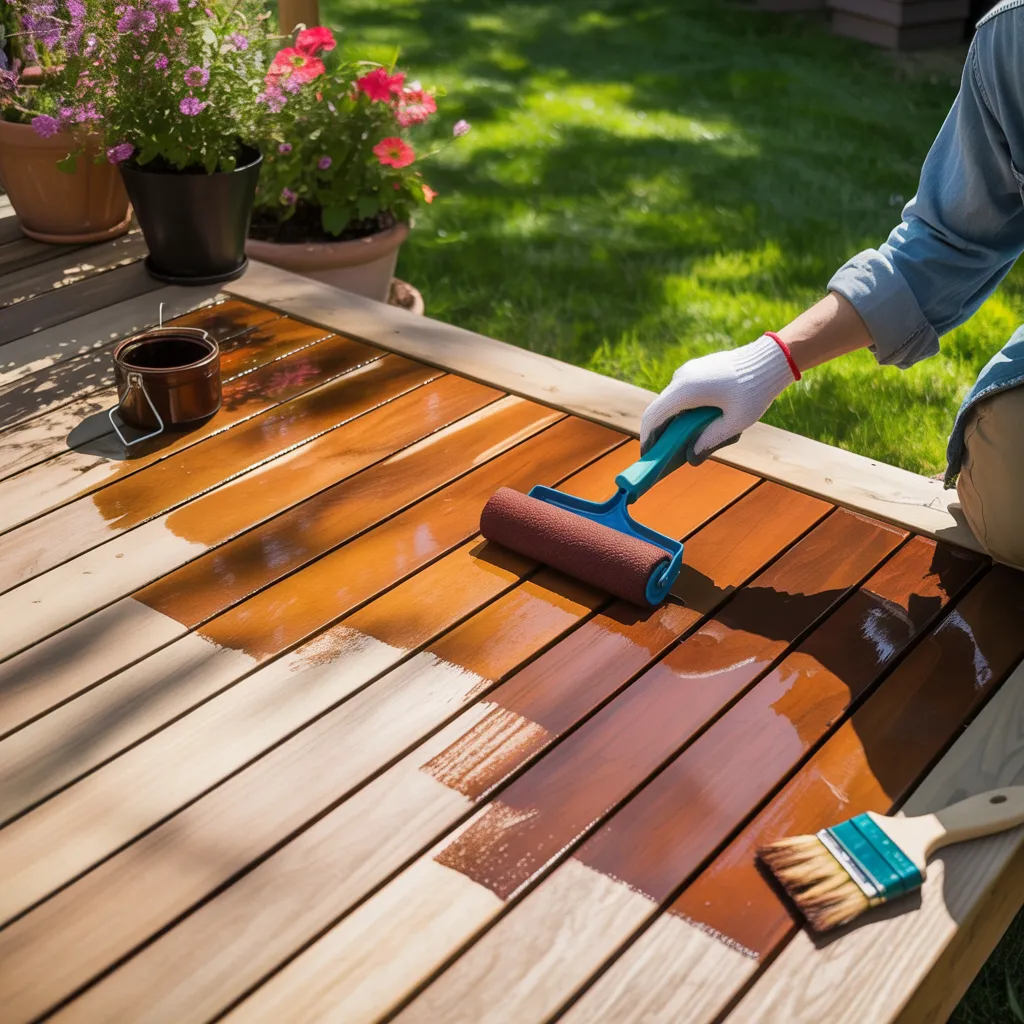
Reasons to Bring in Experienced Specialists for Your Deck Treatment
When assessing deck staining, homeowners often overlook the merits of hiring professionals. Engaging experts provides a excellent finish, because they demonstrate the necessary skills and knowledge to address various wood types and conditions. Professionals understand the intricacies of determining the suitable stain, weighing factors like wood porosity and local climate. In addition, they obtain specialized equipment and equipment that make the process more efficient and deliver results.
Additionally, specialists can conserve homeowners time and effort, allowing them to dedicate attention to other significant tasks. They are also familiar with safety guidelines, decreasing the danger of accidents during the deck staining. By engaging professionals, homeowners can obtain enduring results that improve their deck's appearance and longevity. Ultimately, the commitment in professional services can generate a magnificently stained deck that not only appears attractive but also extends protection against the elements for years to come.
Steer Clear of These Common Deck Staining Errors Before You Begin
Many homeowners make major mistakes when it comes to deck staining, often resulting in unsatisfactory results. One common mistake is ignoring proper surface preparation. Failing to clean the deck completely can trap dirt and debris, preventing the stain from adhering properly. Another mistake is choosing the wrong type of stain; selecting an oil-based stain on a surface that requires a water-based product can result in peeling and uneven coverage. Additionally, staining under direct sunlight is unwise, as it can cause the stain to dry rapidly, leading to blotches. Many overlook the importance of applying multiple thin coats instead of a single thick one, which can weaken durability. Finally, not allowing adequate drying time between coats can lead to issues with finish integrity. By avoiding these pitfalls, homeowners can guarantee a more successful and durable deck staining project.
What to Expect From Deck Staining
When considering deck staining, homeowners can anticipate a thorough preparation process that includes surface cleaning to guarantee ideal results. Following this, the staining process involves applying the chosen product evenly for a lasting finish. Understanding these steps can help establish realistic expectations for the project.
Preparation and Surface Sanitation
Preparing a deck for staining involves a thorough cleaning process that assures ideal adhesion and longevity of the stain. This opening stage typically includes getting rid of dirt, debris, and old finishes through power washing or scrubbing. Professionals may use specialized cleaning solutions to eliminate mildew, algae, and other contaminants that could hinder the staining process. It's essential that the surface is dry before applying any stain to guarantee proper absorption. Additionally, any compromised boards or protruding nails should be addressed to avoid complications later. After cleaning, a final inspection is conducted to confirm that the surface is ready for staining, setting the stage for a successful application that enhances the deck's appearance and protection.
Tinting Process Outline
The deck finishing process unfolds through a sequence of well-defined steps that ensure a smooth and effective application. Initially, the professional team inspects the deck for any damage or areas requiring repair. After confirming the surface is clean and dry, they choose a high-quality stain appropriate to the wood type and desired finish. Application begins with edging, followed by rolling or spraying the stain uniformly across the deck boards. Care is taken to avoid puddling and ensure uniform coverage. Once the first coat dries, a second coat may be applied for enhanced protection and color depth. Finally, the team offers guidance on drying times and maintenance, ensuring the deck remains beautiful and well-protected for years to come.
Picking the best deck staining service can seem burdensome, particularly given so many options available. To arrive at a thoughtful decision, property residents should start by researching local companies and reading customer reviews. A established company will have a portfolio showcasing their previous work, allowing potential clients to gauge quality and style.
Subsequently, it's vital to ask about the varieties of stains and sealants utilized, as well as the techniques employed. This ensures that the chosen service matches the homeowner's desires for longevity and visual appeal. Furthermore, obtaining several estimates can provide understanding into pricing and value.
Finally, assess the company's background and whether they offer guarantees for their work. Choosing a service with a strong track record and clear communication will ultimately lead to a more satisfying deck staining experience. By following these steps, homeowners can assuredly choose a service that meets their needs and improves their outdoor space.
The Merits of Utilizing Top-Tier Stains and Protective Solutions
Allocating funds towards premium stains and sealants can considerably boost the durability and appearance of a deck. These excellent products deliver crucial protection from moisture, UV rays, and temperature shifts, which can cause wood warping and decay over time. By establishing a durable barrier, high-quality stains and sealants aid in preventing mold and mildew growth, guaranteeing a tidier surface that is easier to maintain.
Also, advanced finishes often contain pigments that enhance the wood's natural beauty, enriching colors and highlighting grain patterns. This not only improves the visual quality but also adds value to the property. High-quality products generally offer better adherence and longer-lasting results, reducing the frequency of reapplication. Ultimately, choosing these superior materials can create noteworthy long-term economies in maintenance fees while preserving the deck's structural integrity and aesthetic charm. Investing in quality is a astute choice for any homeowner endeavoring to preserve their outdoor space.
How Often Should You Reapply Stain to Your Deck?
How often should property owners consider re-staining their decks? Typically, it is recommended to re-stain a deck every two to three years, though various factors can affect this timeline. The wood species, climate conditions, and the caliber of the stain used all play significant roles in determining the necessary frequency. In areas with severe climatic conditions, such as intense sun or heavy rain, re-staining may be needed more frequently to protect the wood from damage. Homeowners should also watch for signs of wear, such as fading color or water absorption, which indicate that the protective layer has decreased. Routine inspections can help in assessing these conditions, ensuring that the deck remains in peak shape. Ultimately, staying proactive about re-staining can prolong the life of the deck and preserve its visual beauty, making it a worthwhile investment for homeowners.
Tips for Keeping Your Newly Stained Deck Looking Excellent
To guarantee a newly stained deck maintains its beauty and durability, homeowners should adopt a few essential care practices. Frequent cleansing is vital; using a broom or leaf blower to eliminate debris avoids mold and mildew buildup. A soft cleaning with soapy water can eliminate dirt without damaging the stain.
Homeowners should likewise avoid using harsh chemicals, as these can damage the coating. Instead, selecting a neutral cleaner will preserve the stained surface.
In useful tips addition, placing mats at entry points minimizes dirt and water tracked onto the deck. This simple step can significantly extend the life of the stain.
Finally, periodic inspections for indications of deterioration or discoloration enable timely touch-ups, guaranteeing the deck remains bright and properly safeguarded. By adhering to these recommendations, homeowners can enjoy a stunning and resilient deck for years to come.
Often Asked Questions
What is the Average Timeframe for Deck Staining Completion?
Deck staining typically takes one to two days to finish, based on the deck's dimensions and weather conditions. Proper preparation and drying time are essential for achieving optimal outcomes and durability of the stain.
Is It Possible to Finish My Deck After It Rains?
It is not recommended to seal a deck right after rain. The surfaces must be totally moisture-free to ensure adequate bonding and penetration of the stain, typically requiring 24 to 48 hours following rain.
What Planning Is Required Before Treating My Deck?
Before applying stain to a deck, one should clean it thoroughly, ensuring all dirt and debris are eliminated. Let the surface to dry completely and inspect for loose boards or damage that may need repair.
What environmentally safe finishing choices are accessible?
Yes, many environmentally friendly staining options exist, including water-based stains and those made from natural oils. These solutions minimize toxic chemicals, making them safer for the environment while effectively protecting and enhancing the deck's appearance.
Can Staining My Deck Stop Mold and Mold Development?
Staining a deck can substantially minimize the peril of mold and mildew by establishing a water-resistant shield against water damage. This protective coating helps maintain the wood dry, discouraging the growth of harmful spores and assuring prolonged lifespan.